Augmented Reality
Augmented reality
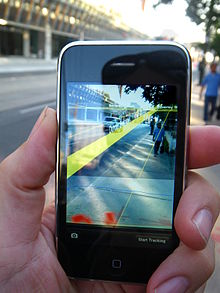
Augmented reality (AR) is a live, direct or indirect, view of a physical, real-world environment whose elements are augmented (or supplemented) by computer-generated sensory input such as sound, video, graphics or GPS data. It is related to a more general concept called mediated reality, in which a view of reality is modified (possibly even diminished rather than augmented) by a computer. As a result, the technology functions by enhancing one’s current perception of reality. By contrast, virtual reality replaces the real world with a simulated one. Augmentation is conventionally in real-timeand in semantic context with environmental elements, such as sports scores on TV during a match. With the help of advanced AR technology (e.g. adding computer vision and object recognition) the information about the surrounding real world of the user becomes interactive and digitally manipulable. Artificial information about the environment and its objects can be overlaid on the real world
History
- 1901:Frank Baum, an author, first mentions the idea of an electronic display/spectacles that overlays data onto real life (in this case 'people'), it is named a 'character marker'
- 1957–62: Morton Heilig, a cinematographer, creates and patents a simulator called Sensorama with visuals, sound, vibration, and smell.
- 2009: ARToolkit was ported to Adobe Flash (FLARToolkit) by Saqoosha, bringing augmented reality to the web browser.
- 2013: Google announces an open beta test of its Google Glass augmented reality glasses. The glasses reach the Internet through Bluetooth, which connects to the wireless service on a user’s cellphone. The glasses respond when a user speaks, touches the frame or moves the head
Technology
Hardware
Hardware components for augmented reality are: processor, display, sensors and input devices. Modern mobile computing devices like smartphones and tablet computers contain these elements which often include a camera and MEMS sensors such as accelerometer, GPS, and solid state compass, making them suitable AR platforms
Display
Various technologies are used in Augmented Reality rendering including optical projection systems, monitors, hand held devices, and display systems worn on one's person

Head-mounted
A head-mounted display (HMD) is a display device paired to a headset such as a harness or helmet. HMDs place images of both the physical worldand virtual objects over the user's field of view. Modern HMDs often employ sensors for six degrees of freedom monitoring that allow the system to align virtual information to the physical world and adjust accordingly with the user's head movements. HMDs can provide users immersive, mobile and collaborative AR experiences
Computer
The computer analyzes the sensed visual and other data to synthesize and position augmentations.
Applications
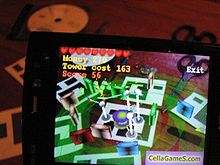
Augmented reality has many applications, and many areas can benefit from the use of AR technology. AR was first used for military, industrial, and medical applications, but was soon applied to commercial and entertainment areas.
Go To Homepage

| Contact Us | privacy | about us | developer |